

Did you know that, according to the Environmental Protection Agency, household leaks can waste nearly 1 trillion gallons of water annually nationwide? That’s a staggering amount, isn’t it? Now, think about your home. Hidden plumbing leaks can be silently causing damage, not only wasting precious water but also potentially leading to costly repairs. It is essential to spot these elusive leaks early, but how do you do it? Let’s explore some practical strategies and signs to keep an eye out for.
Understanding the Basics of Plumbing Leaks
Nearly every homeowner will encounter a plumbing leak at some point, and understanding the basics about these leaks is vital for timely detection and repair. Leaks are more common than you might think and are not always visible or obvious. They can occur in any part of the plumbing system, from the water supply line to the drain pipes.
First, you must understand that leaks can be caused by various issues, such as corroded pipes, worn-out seals, high water pressure, or even temperature changes. It’s important to pinpoint the cause of the leak to prevent further damage and to fix the issue effectively. For example, if you’re dealing with old pipes, you might need to replace them entirely to stop the leak.
Next, consider the location of the leak. It’s not always about the visible dripping water; sometimes, it’s about unusually high water bills or damp spots on walls or floors. Understanding the location can help determine whether the leak stems from a pipe within the walls, a faucet, or somewhere else. This knowledge can guide your next steps and help you avoid costly mistakes.
Signs of Hidden Water Leaks
Now, let’s explore the signs of hidden water leaks that you should be aware of. Early detection can save you from costly repairs and unnecessary hassle.
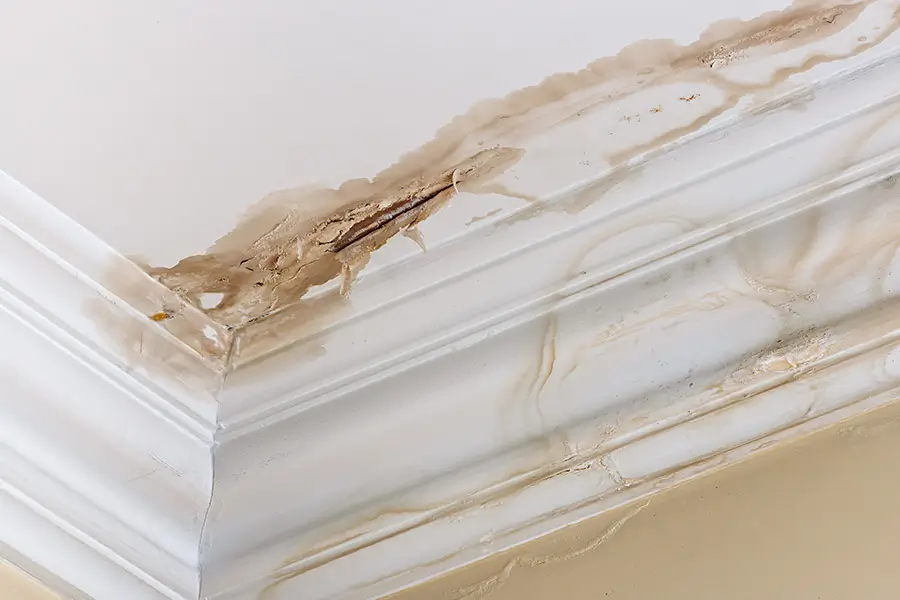
Firstly, observe your water usage. If it’s unusually high and you haven’t changed your daily routine, you might leak. In addition, look for unusual damp spots on your walls, ceilings, or floors. These can indicate a hidden pipe leak. Don’t forget to check under sinks and behind appliances, too.
Listen for unusual sounds. A dripping or rushing water sound when you’re not using water could indicate a leak. Additionally, a running toilet, when not in use is a common sign of leakage.
Pay attention to your water meter. If it’s running when all the water in your house is turned off, there’s likely a leak somewhere. Finally, you might notice a foul smell. This can be due to mold or mildew growth, which can occur when there’s a persistent water leak.
The Dangers of Undetected Leaks
Undetected leaks, if left unaddressed, can lead to serious structural damage in your home and pose potential health risks. They’re like silent, insidious invaders that can slowly but surely wreak havoc. Water seeping into your home’s structure can cause wood to rot and metal to rust, compromising the integrity of your building. It’s easy to underestimate the power of water, but over time, even a small leak can lead to big problems.
One of the most troubling aspects of undetected leaks is the potential for mold growth. Mold thrives in damp environments and can quickly spread. It’s not just unsightly; it can also be harmful to your health. Exposure to certain types of mold can lead to respiratory problems, allergies, and other health issues, especially in those with compromised immune systems.
Leaks can also lead to higher water bills. You’re fundamentally paying for water that you’re not even using. It’s an unnecessary expense that can add up over time. Consequently, it’s vital to be proactive in detecting and addressing leaks in your home. Remember, an undetected leak isn’t just a nuisance; it’s a potential threat to your home and health.
Using Your Water Meter to Detect Leaks
You can spot potential leaks and save your home from extensive water damage by mastering the art of reading your water meter. Your water meter isn’t just a tool for your utility company to calculate your bill; it’s also a powerful ally in your fight against hidden plumbing leaks.
Start by turning off all water inside and outside your home, including appliances, faucets, and sprinklers. If your meter continues to run, you’ve got a leak. To confirm, note the meter reading, leave everything off for two hours, and check again. If the reading has changed, you can be certain water is escaping somewhere.
However, if the meter doesn’t change immediately, don’t sigh with relief. Some leaks are slow and sneaky. You might need to leave the water off overnight or while you’re away from home for longer. If the meter reading changes, then you’ll have a slow leak.
Spotting Leaks in Your Bathroom
Listening to the telltale sound of a dripping faucet or constantly running toilet in your bathroom can effectively spot potential plumbing leaks. However, not all leaks make noise. Some can be silent yet damaging, making them harder to detect. Here are some additional methods of spotting bathroom leaks:
- Check for dampness or discoloration around the toilet base. If you notice a persistent wet spot even when it hasn’t been recently cleaned, it may be leaking.
- Inspect your shower head and bathtub faucet. Look for continuous drips even when they’re turned off.
- Examine bathroom walls and flooring. Peeling paint, warped walls, or loose floor tiles can all indicate a hidden leak.
- Pay attention to any unusual smells. Persistent musty or moldy odors suggest a leaky pipe within your bathroom walls.
Identifying Kitchen Plumbing Leaks
Spotting a plumbing leak early in your kitchen can save you from costly water damage and repairs. The first step is to familiarize yourself with the main sources of leaks, typically the sink, dishwasher, and refrigerator.
Under your sink, pay close attention to the water supply lines and drain pipe. If you notice any dampness or puddling, you’ve likely got a leak. Sinks can leak slowly, so check for water damage in the cabinet below. This could be a sign of a deteriorating seal or a loosening pipe connection over time.
Your dishwasher and refrigerator also have water supply lines that can leak. Check the floor around these appliances for any signs of water. This could be a small puddle, dampness, or even discoloration of your flooring. Don’t forget to inspect the areas behind these appliances, as leaks can often go unnoticed here.
Leaks in Basements and Crawlspaces
When you move to the lower levels of your home, it’s important to look for leaks in basements and crawlspaces. These leaks can cause significant damage and often go unnoticed until it’s too late.
When investigating leaks, look for signs such as water stains, mold growth, or dampness on the walls and floors. A musty smell in your basement or crawlspace could also indicate a leak.
Here are four primary areas to check in your basement or crawlspace for potential leaks:
- Pipes and Drains: Inspect them thoroughly, especially at joints and bends. Look for signs of corrosion or moisture.
- Floor Cracks: Water can seep through cracks in the concrete floor. Keep an eye out for wet spots or discoloration.
- Sump Pumps: These devices can sometimes fail, causing water to accumulate. Regularly test your sump pump to verify it’s functioning properly.
- Basement Walls: Water can seep through the walls, especially during heavy rainfall. Check for dampness or discoloration on the walls.
Exterior Plumbing: Potential Leak Sources
You’ll need to check your home’s exterior plumbing, as it can also be a significant source of potential leaks. Exposed pipes, hoses, and faucets are susceptible to damage and wear, leading to hidden leaks. In addition, outdoor plumbing is often overlooked, making it a potential hotspot for undetected water leaks.
Start by inspecting your outdoor faucets. If you notice any signs of dampness or rust, these might indicate a leak. Check for wet spots or puddles in your yard. These may suggest leaking underground pipes. If you have a sprinkler system, verify that it’s working properly. Broken sprinkler heads, soggy ground, and unusually high water bills are signs of a leak.
Don’t forget to inspect your swimming pool, if you have one. Look out for cracks in the pool shell, wet spots on the deck, or a water level that drops more quickly than normal.
Lastly, check your water meter. If the meter is still running even when no water is being used, there is likely a leak somewhere.
Professional Leak Detection Techniques
When accurately pinpointing plumbing leaks, professionals often turn to advanced detection techniques. These methods are designed to find leaks without causing unnecessary damage to your property. They’re not only efficient but also highly precise.
Professionals employ a variety of techniques, including:
- Video Inspection: A small, waterproof camera is inserted into your pipelines, providing real-time visuals of your plumbing system. This allows experts to spot leaks that would otherwise remain hidden.
- Acoustic Detection: By using sound technology, professionals can listen for the distinctive noise water makes when escaping from a pipe.
- Thermal Imaging: Using infrared technology, experts can detect temperature changes caused by leaks, even within walls or under floors.
- Smoke Testing: Non-toxic smoke is pumped into the pipes, and any leaks are revealed when smoke seeps out.
Each technique has its advantages and best-use scenarios. The choice of method often depends on your home’s specific plumbing system and the nature of the suspected leak. It’s important to remember that while you may be able to spot some leaks yourself, hidden or hard-to-find leaks are best left to the professionals.
Preventing Future Hidden Plumbing Leaks
Understanding your home’s plumbing system and establishing a regular maintenance routine is important to preventing future hidden plumbing leaks. Start by familiarizing yourself with the layout of your pipes so you’ll know where to look for potential issues.
Regular inspections are a must. Look for moisture or dampness around your pipes, walls, and flooring. Pay special attention to areas with unexplained dampness – this could indicate a hidden leak. Also, monitor your water bill. An unexpected increase may indicate a leak.
Take time to inspect your faucets and showerheads for drips or leaks. Simple tasks like replacing worn-out washers can prevent leaks from developing. Additionally, your home’s water pressure should be checked. High pressure can cause unnecessary strain on your pipes, leading to leaks.
Investing in a water softener can also be beneficial if you live in an area with hard water. Mineral deposits can build up in your pipes, causing them to corrode over time.
Lastly, don’t hesitate to call a professional if you’re unsure or your preventative measures aren’t working. They’re equipped with the tools and knowledge to effectively detect and repair hidden leaks.
Conclusion
Did you know hidden water leaks can waste up to 10,000 gallons of water a year in a single household? By staying vigilant, understanding the signs of hidden leaks, and using your water meter, you can spot and address these leaks early. This saves you money on water bills and prevents costly damage to your home. Remember, an ounce of prevention is worth a pound of cure when it comes to plumbing leaks.
Frequently Asked Questions
What Are the Average Costs for Professional Leak Detection and Repair Services?
You’ll likely spend between $150 and $400 for professional leak detection. Repair costs vary greatly based on the leak’s location and severity, often ranging from $200 to $1000. Always get multiple quotes before deciding.
What Insurance Coverage Is Typically Available for Hidden Plumbing Leaks?
Can New Construction or Remodeling Projects Cause Hidden Plumbing Leaks?
Yes, your new construction or remodeling project can cause hidden plumbing leaks. Errors during installation, faulty materials, or disturbance of existing pipes might lead to leaks. Always guarantee professional installation to avoid such issues.
Are There Any DIY Tools or Kits Available for Detecting Hidden Leaks?
Yes, there are DIY tools you can use. Leak detection kits and moisture meters are available. Acoustic leak detectors can help, too. You’ll also find thermal imaging cameras useful in identifying temperature differences indicating leaks.
How Frequently Should a Professional Inspection for Hidden Leaks Be Performed?
You might think it’s overkill, but having a professional inspect your plumbing for hidden leaks annually is good practice. It’s a small task that can prevent major damage and costly repairs.