
Like a river dammed by fallen logs, a clogged drain can disrupt the smooth flow of your daily routines. You’ve likely wrestled with minor hiccups using a humble plunger or a simple baking soda and vinegar concoction. But what happens when the blockage is stubborn, persistent, and refusing to budge? You might be tempted to reach for a chemical cleaner, but have you weighed the risks? And when should you admit defeat and call in the professionals? Let’s begin this journey to unclog the mysteries of drain repair and explore solutions that best suit your home.
Understanding Common Causes of Clogs
To fix a clogged drain, first, you must understand the common causes that often lead to such blockages. It’s not just about what’s visible to the naked eye. There’s a whole world of factors contributing to the problem.
The most prevalent cause of clogs is the accumulation of everyday waste. This could be anything from hair strands, soap scum, and grease in bathroom drains to food particles and coffee grounds in kitchen sinks. Over time, these materials bind together, forming a sticky mass that obstructs water flow.
Another common culprit is the build-up of mineral deposits. If you have hard water, you’re more likely to face this issue. Minerals such as calcium and magnesium can accumulate on the inner walls of the pipes, reducing their diameter and eventually leading to clogs.
Tree roots can also invade sewer pipes, causing significant blockages. They’re attracted to the moisture and nutrients in the pipes, and once they’ve infiltrated, they can grow rapidly, blocking the entire pipe.
Lastly, foreign objects like toys, wipes, or sanitary products can cause immediate clogs if they’re accidentally flushed down the toilet. Always be mindful of what you’re putting down your drains.
DIY Solution: The Plunger Method
When confronted with a clogged drain, one of the simplest and most effective DIY solutions is the plunger method. This basic tool has been used for decades to clear blockages and restore the flow of water.
You’ll first need to create a seal over the drain to use a plunger. Place the plunger’s rubber cup over the drain hole and guarantee it’s completely covered. Then, press down on the handle to create suction, followed by a quick upward pull. This up-and-down motion should be repeated several times. The force created by the suction and displacement of water can often dislodge the clog.
Remember, not all plungers are created equal. Several types are available, but a standard cup plunger is generally the most suitable for sink and bathtub drains. Also, confirm enough water in the sink or tub to cover the plunger’s base. This will help to create the necessary suction.
The plunger method is a cost-effective and environmentally friendly solution. However, it may not work for more stubborn clogs. You might resort to other methods, such as a plumber’s snake or hydrojetting.
Chemical Drain Cleaners: Pros and Cons
If the plunger method fails, you might contemplate using chemical drain cleaners, though it’s essential to understand their pros and cons before getting started. Chemical drain cleaners offer a straightforward and often effective solution to clogged drains. They’re relatively easy to use; you simply pour the cleaner down the drain, wait the instructed time, and rinse with water. They’re also readily available at most grocery or hardware stores, making them convenient.
However, you need to evaluate the downsides, too. Chemical drain cleaners can be hazardous. They contain potent chemicals that can cause burns if they come into contact with skin or eyes. They’re also harmful if ingested or inhaled. Always use gloves and eye protection when handling these products, and make sure your space is well-ventilated.
Another issue is the environmental impact. These cleaners can be harmful to the environment, contributing to water pollution. Additionally, they may not be suitable for all types of pipes, especially older or fragile ones, as the harsh chemicals can cause corrosion over time.
Eco-Friendly Home Remedies
Given chemical drain cleaners’ potential hazards and environmental impact, eco-friendly home remedies are a safer and greener alternative for tackling clogged drains. These remedies are not only effective but also pocket-friendly and readily available.
One tried-and-tested method is the boiling water technique. It’s simple: pour a kettle of boiling water down the drain, which can dissolve minor, organic blockages. However, be cautious using this method with PVC pipes, as excessive heat can loosen pipe joints.
Baking soda and vinegar present another reliable solution. Pour half a cup of baking soda into the drain, followed by half a cup of white vinegar. Wait 15-20 minutes, and then rinse with hot water. This combo creates a natural chemical reaction that can break down most clogs.
Lastly, try a biological drain cleaner. These contain bacteria or enzymes that eat away at the clog. They’re safe for all types of pipes and septic systems but work slower than chemical cleaners.
Utilizing a Plumber’s Snake
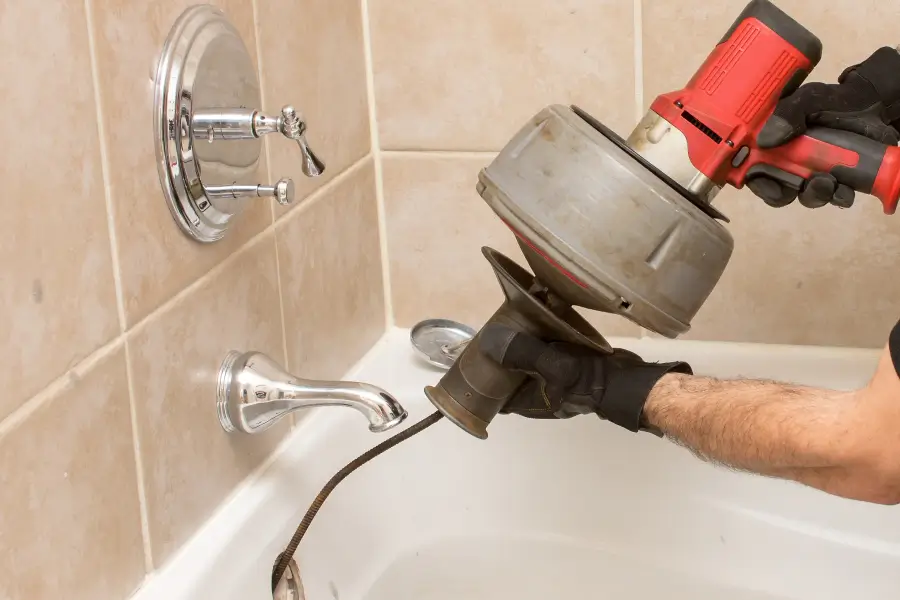
You’ll need to use a plumber’s snake for tougher clogs, a handy tool for dislodging stubborn blockages in your pipes. This flexible auger, also known as a drain snake or toilet jack, can reach deep into your plumbing system, breaking up or retrieving the obstructions that are out of reach for standard plungers or household remedies.
Before using a plumber’s snake, you’ll need to remove any standing water and drain stoppers. Insert the end of the snake into the drain and rotate the handle clockwise, pushing gently. You’ll feel resistance when the snake meets the clog. Continue turning the handle, allowing the snake to break through or grab onto the debris.
Once you’ve pushed past the blockage, pull the snake out slowly. Often, the clog will come out with it. If not, run water down the drain to see if it’s been cleared. You may need to repeat the process if the water still doesn’t drain properly.
High-Pressure Water Jets
While a plumber’s snake can deal with many clogs, some blockages may prove too stubborn, leading you to contemplate using high-pressure water jets. These devices, also known as hydro jets, can easily blast through tough clogs.
High-pressure water jets function by forcing water into your pipes at high speed. This pressure, often up to 5000 psi, effectively breaks up the stubborn blockages and flushes them out. The intense force of the water can tackle even the most stubborn clogs, from solidified grease to tree roots.
But before you leap into action, it’s vital to understand the potential risks. The high pressure can potentially damage your pipes, particularly if they’re old or already weakened. As a result, it’s important to conduct a preliminary pipe inspection to verify that they can withstand the pressure.
Moreover, operating a high-pressure water jet requires skill and expertise. You’ll need to adjust the pressure and navigate the hose correctly to avoid causing damage. While it’s possible to rent these machines, unless you’re experienced in their use, it’s often safer and more effective to seek assistance from a professional.
Professional Drain Cleaning Services
If your DIY efforts to unclog the drain aren’t successful, it’s time to contemplate professional drain cleaning services. These services can offer a thorough solution when home remedies fail to clear stubborn clogs.
Professional drain cleaning services have advanced tools and the technical know-how to handle complex drain issues. They use techniques like hydro jetting, where a high-pressure water jet is used to dislodge the blockage, or motorized drain snakes that can reach deeper into the plumbing system. These highly effective methods can restore your drains to their best function in no time.
Besides these, professionals can also inspect your drains using video cameras. This allows them to spot potential problems before they escalate into major issues. They can identify the exact location and nature of the clog, thereby ensuring a targeted and effective solution.
While handling drain clogs on your own might be tempting, sometimes it’s better to leave it to the pros. They can save you time, prevent further damage to your pipes, and offer long-lasting solutions. Remember, a clogged drain is more than an inconvenience; if not addressed promptly and properly, it can lead to serious plumbing issues.
Preventive Measures for Clog-Free Drains
Implement preventive measures to prevent clogs and keep drains running smoothly. Regular maintenance is the key to preventing drain issues. Don’t wait until you have a clog to take action.
Firstly, be mindful of what goes down your drains. Never pour grease or oil down the sink; they solidify when cooled and cause blockages. Also, avoid disposing of food waste in the sink. Even if you have a garbage disposal unit, certain items like coffee grounds, eggshells, and fibrous vegetables can lead to clogs.
You should also regularly rinse your drains with hot water. This can help dissolve minor clogs and prevent buildup. Use a hair catcher in your shower or bathtub for bathroom drains to prevent hair from going down the drain, a common cause of clogs.
Lastly, consider using a safe, enzyme-based drain cleaner monthly. These cleaners use natural bacteria to break down organic material in your pipes, preventing clogs from forming.
When to Call a Professional Plumber
Despite your best efforts at prevention, sometimes drain problems persist, and you’ll need to enlist the help of a professional plumber. But when exactly should you make that call? There are a few key signs to look out for.
Recurring clogs might indicate a deeper issue. If you’ve been dealing with the same drain repeatedly, it’s likely time to bring in a pro. They have the specialized tools and expertise to remove stubborn blockages and even identify potential structural problems.
Secondly, multiple blocked drains in your home can signal a serious plumbing issue. This could point to a main sewer line problem requiring immediate professional attention.
Thirdly, if you’re experiencing slow drainage across multiple fixtures, you could deal with a sewer or vent line problem. You shouldn’t take this lightly.
Lastly, strange noises or foul odors emanating from your drain can also be a red flag. These issues can indicate a serious blockage or venting issue that needs addressing by a professional.
Don’t ignore these signs. If left untreated, they can become more serious problems, potentially damaging your home’s plumbing system. So, don’t hesitate to call a plumber when you spot these issues.
Maintaining Your Drain Post-Repair
Once your drain is professionally repaired, you need to maintain it properly to prevent future clogs and potential damage. Proper maintenance not only extends the lifespan of your drains but also saves you money by avoiding costly repairs.
Here’s a straightforward, 4-step guide to maintaining your drain post-repair:
- Regular Cleaning: Keep your drains clean using homemade solutions, like vinegar and baking soda, that keep the pipes clear. Avoid using harsh chemical cleaners that can damage your pipes.
- Proper Disposal: Be conscious of what goes down your drain. Don’t dispose of grease, coffee grounds, or hard-to-dissolve substances in your sink. They can build up and cause blockages over time.
- Use Drain Screens. Drain screens effectively prevent unwanted debris from going down your drain. They’re inexpensive and easy to install.
- Routine Inspection: Have a professional plumber inspect your drains periodically. They can detect and resolve minor issues before they turn into major problems.

Conclusion
Like maneuvering through a tricky maze, dealing with clogged drains can be complex. You’ve got your map now – DIY methods, eco-friendly solutions, and professional help. But remember, prevention is your best ally. Keep your ‘drainage roads’ clear, watch for signs of trouble, and don’t hesitate to call in the ‘plumbing professionals’ when things get tough. You’ll keep your home’s plumbing running smoothly with proper care and attention.