
Have you noticed an unusual discoloration in your water or persistent leaks around the house? Your water bills have started to climb for no apparent reason. These could be signs that your pipes need replacing. It’s not just about the inconvenience but the potential for severe damage to your home. Let’s discuss further how to identify these warning signs and what steps you should take next.
Unusual Water Discoloration
Have you noticed a sudden change in the color of your water, turning from clear to brown or yellow? This isn’t something you should ignore. It’s a visible clue that your pipes may be corroding. Over time, metal pipes expose water to rust, leading to discoloration.
Understanding the cause of the discoloration requires a keen eye and some technical know-how. Various factors could cause the color change. It could be due to rust in your iron pipes or a buildup of minerals such as magnesium and calcium. In severe cases, it could indicate the presence of lead.
So, what’s the solution? First, you’ll need to pinpoint the source of the discoloration. You can do this by observing whether the discoloration is present in all faucets or only in certain ones. If it’s in all faucets, it’s likely a problem with your main water supply. If it’s only in sure faucets, then the issue is localized.
Your role in serving others is vital. You can help maintain a safe and healthy environment by identifying and addressing these signs. Remember, a minor issue today can become a significant problem tomorrow if not addressed promptly.
Persistent Plumbing Leaks
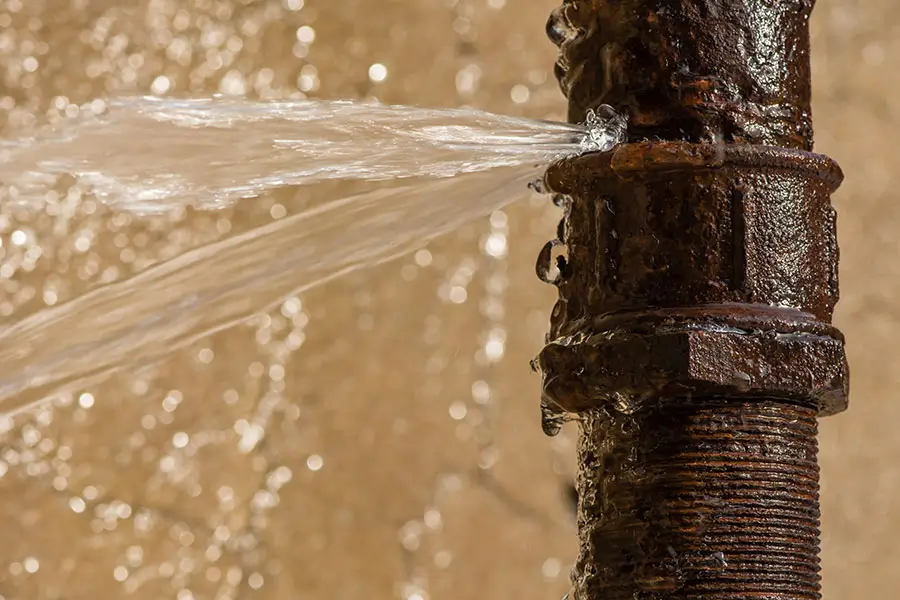
While discoloration can be a telltale sign of pipe corrosion, it’s not the only one to watch out for. Persistent plumbing leaks are another major red flag you shouldn’t ignore. These leaks can be a sign of aging pipes wearing thin or cracking. When you regularly find puddles of water under your sink or damp spots on your walls, it’s time to take action.
Over time, water leaks can cause extensive damage to your home, leading to costly repairs and potentially dangerous mold growth. It’s also worth noting that a small, slow leak might not seem like a big deal but can still lead to severe problems. Even minor leaks can erode your pipes over time, creating weaknesses that could eventually lead to a pipe burst.
Decreased Water Pressure
Another critical indicator that your pipes may need replacing is a noticeable drop in water pressure. This isn’t just a minor inconvenience; it’s a sign of a potentially major problem with your plumbing system. A sudden or steady drop in water pressure often indicates a severe issue with your pipes.
So, how do you know if your water pressure has decreased? You’ll notice it when you turn on faucets, showers, or appliances that use water. If the water isn’t flowing as powerfully as it used to, that’s a clear sign. You might also notice filling up your bathtub or washing machine takes longer.
Now, what’s causing your water pressure to drop? It could be due to corroded pipes. Over time, mineral deposits can build up in your pipes, reducing the space through which water can flow and causing a pressure drop. Or, it could be due to a leak in your system, letting water escape before it reaches your faucet.
In any case, decreased water pressure is not something you should ignore. It’s a warning sign that your pipes may deteriorate and need replacing. It’s best to call a plumbing professional to inspect your system and make the necessary repairs.
Frequent Drain Clogs
If you’re constantly battling drain clogs, it’s high time to contemplate the possibility of an underlying pipe issue. Regular clogs can signify serious pipe problems that require immediate attention.
It’s not uncommon for pipes to accumulate debris over time, but it can lead to frequent clogs when it becomes too much. This debris could include anything from food particles and grease in your kitchen sink to hair and soap scum in your shower drain. If you frequently have to unclog these drains, it’s a clear sign your pipes might be reaching the end of their lifespan.
Additionally, if you notice recurring clogs even after professional drain cleaning, it’s likely a sign of a more severe problem. This could indicate a faulty pipe design, a broken pipe, or a root intrusion into your plumbing system. These issues are not just nuisances; they can lead to costly water damage if not addressed promptly.
Bad Odors From Drains
Despite your best efforts to keep your drains clean, noticing a persistent foul smell from them could indicate serious pipe issues. Unpleasant odors often indicate blockages or buildup within the pipe system. It’s not just about the unpleasantness but the health risks associated with the bacteria causing that stench.
When you’re dealing with recurring foul odors, it’s possible that waste isn’t properly flowing away from your property due to a problem with the sewer line. This is a clear sign that you need a pipe replacement, as ignoring this issue can lead to more serious consequences like sewage backup.
Another reason for the foul odor could be a dried-up P-trap. The P-trap is designed to keep a small amount of water as a barrier against sewer gases. If a drain isn’t used regularly, the water in the P-trap can evaporate, allowing those gases to enter your home. Regular use or manually adding water can solve this issue.
Don’t overlook foul odors from your drains. They’re not just a nuisance but a warning sign that your pipes need attention.
Visible Pipe Corrosion
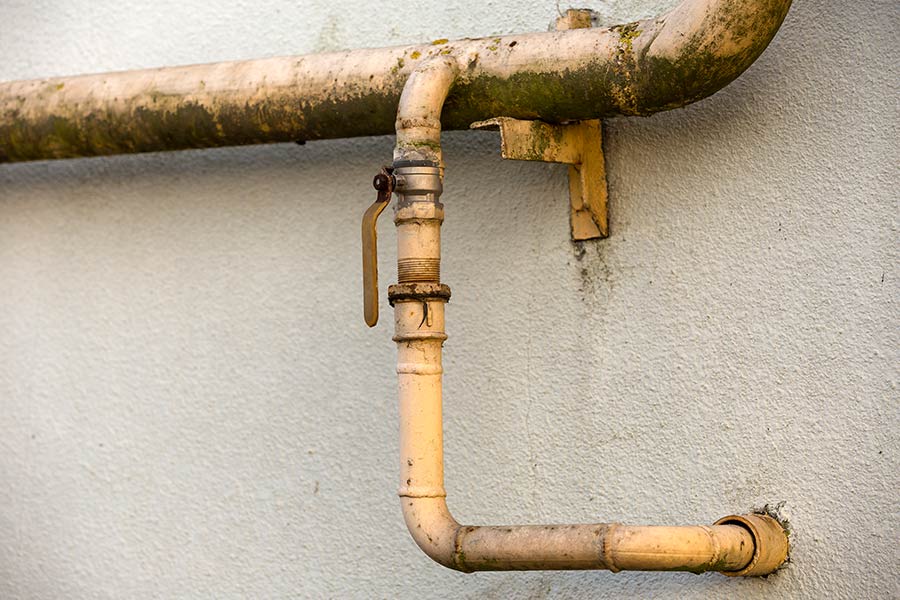
Often, you’ll notice visible corrosion on your pipes, a telltale sign that they’re deteriorating and may need replacement. This corrosion can appear as rusty spots, discoloration, or flaky patches on the pipe’s surface. It’s essential to take these signs seriously as they indicate that the protective layer of your pipes is breaking down, exposing the underlying metal to moisture and oxygen. This situation can accelerate corrosion, leading to leaks and even pipe bursts over time.
You should also be aware of pitted corrosion. This type of corrosion creates small, localized holes in your pipes, making them prone to leaks. It’s more difficult to spot than surface corrosion but is equally damaging. Regular checkups can help detect this issue early.
Lastly, let’s consider copper pipe corrosion. If you have copper plumbing, look for blue-green stains. These stains result from copper oxide, indicating corrosion is eating your pipes. This is a serious concern as excess copper can contaminate your water supply.
Abnormal Plumbing Noises
Switching gears, let’s tune into the issue of abnormal plumbing noises, which can serve as an audible warning that your pipes might be in distress. You’re likely familiar with the typical sounds of your plumbing system: the swoosh of water through the pipes, the gurgle of a draining sink. But what about those out-of-the-ordinary noises that make you raise an eyebrow?
Banging, clattering, or whistling sounds are symptoms that shouldn’t be ignored. They could indicate loose pipes, which may lead to significant water damage if not addressed promptly. Similarly, a persistent humming noise might mean your pipe’s pressure is too high, which can strain the pipe and cause leaks or bursts.
Water hammer, a loud thud following the shutting off of a faucet, can signal that the air chambers within your pipes have become waterlogged. While this condition is common, it can lead to severe problems if left unchecked, like pipe damage and costly repairs.
Fluctuating Water Temperatures
If you’ve noticed a sudden change in your water’s temperature, going from scalding hot to freezing cold without warning, you might be dealing with a plumbing issue that calls immediate attention. This is a common sign that your home’s pipes may need replacement.
Several issues can cause fluctuating water temperatures. It’s possible that your water heater is failing or that the thermostat is incorrectly calibrated. However, if you’ve ruled out these possibilities, you will likely face a more severe problem. Your pipes might be corroded or damaged, causing inconsistent water flow and temperature changes.
Pipes are designed to withstand various temperatures, but they’re not invincible. Over time, extreme heat or cold exposure can weaken them, leading to leaks and inefficiency. If you’ve noticed extreme temperature changes, don’t ignore it. This could be an early warning sign of a failing pipe system.
Your safety and comfort are paramount. Erratic water temperatures can be a hazard, particularly when scalding hot water is present. So, don’t put off addressing this issue. Consult a licensed plumber to diagnose the problem and determine whether pipe replacement is necessary.
Increased Water Bills
A sudden surge in your water bills might be more than just an administrative error or increased water usage; it could signal that your pipes need replacing. If you’re consistently using the same amount of water, but your bills are shooting up, it’s time to evaluate the health of your plumbing system.
Cracked or deteriorated pipes can lead to unnecessary water loss, which wastes precious resources and significantly increases your water bill. Even a tiny leak can result in hundreds of gallons of wasted water over a month, skyrocketing your bill. This is often a hidden issue, as the pipes are usually concealed within walls or buried underground, making it hard to spot the problem until it’s too late.
To confirm this, consider hiring a professional plumber to inspect your plumbing system thoroughly. They’re equipped with advanced tools and techniques to detect hidden leaks and can provide accurate estimates for pipe replacement.
Water Damage on Walls
While monitoring rising water bills, you shouldn’t overlook another significant red flag—water damage on your walls. This clearly indicates that your pipes may leak internally, causing potential structural damage.
You can identify wall water damage by watching out for:
** Peeling paint or wallpaper
**Stains or discoloration
- Mushy or warped areas
- Musty smells
Peeling paint or wallpaper is usually the first sign you’ll notice. When water infiltrates your walls, it causes the adhesive to lose grip, leading to these issues.
Stains or discoloration on your walls are another telltale sign. These areas may appear darker or exhibit a yellowish hue. These stains often form in circular patterns and grow larger over time.
Next, check for mushy or warped areas on your wall. These are caused by prolonged exposure to water, which swells or deforms the wall material.
Lastly, musty smells are a clear sign of water damage, often indicating mold or mildew growth. These smells are not only unpleasant but can also pose health risks.
Conclusion
As a seasoned sailor reads the sea’s signs, you must heed your home’s warning signals. Don’t dismiss discolored water or ignore persistent leaks. Don’t shrug off low water pressure, frequent clogs, or strange odors. Pay attention to the whispers of unusual noises, fluctuating temperatures, and higher bills. Shadows of water damage on walls are dark omens. Turn a keen eye to these signs – your home’s plumbing may be crying out for a replacement lifeboat.