
Ever been caught off guard by a sudden cold shower on a freezing day? You’re not alone; water heater issues can spring up unexpectedly. But don’t worry; there’s a lot you can do to troubleshoot and potentially fix the problem before calling the cavalry. From checking the thermostat settings to inspecting for sediment build-up and even evaluating the condition of the anode rod, these are just a few solutions you can employ. However, it’s not always as simple as it seems…
Identifying Water Heater Issues
Before delving into repair solutions, it is vital to understand how to identify issues with your water heater. It’s not always about a complete breakdown; subtle signs can indicate potential problems.
You might notice that your hot water isn’t as hot as it should be or doesn’t last as long. Inconsistency in water temperature is a common sign of a failing water heater. You might also hear unusual noises, like rumbling or popping sounds, coming from your water heater. These sounds suggest sediment buildup in the tank, leading to overheating and failure.
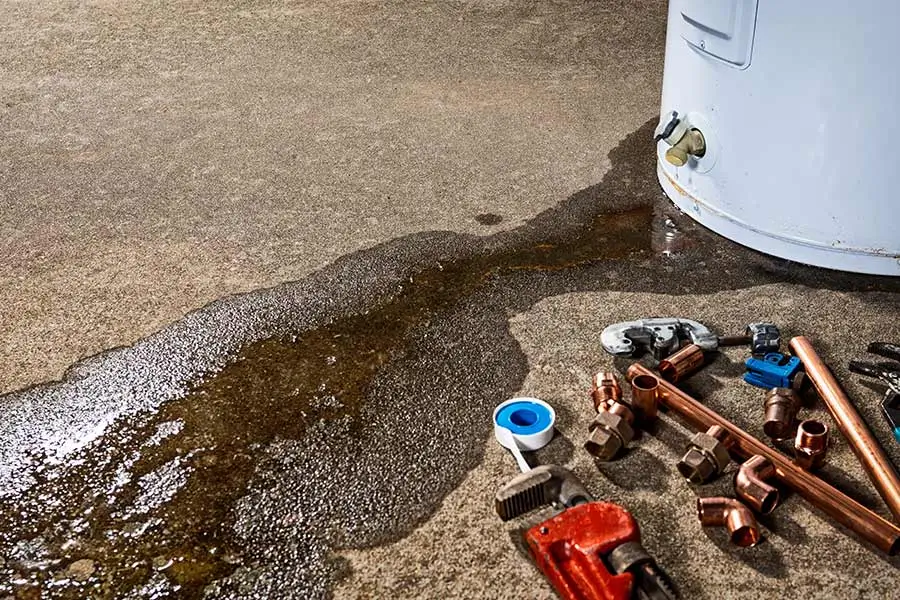
Leaks around your water heater are another issue to watch for. If you see pooling water or moisture around the unit, it clearly signifies a problem. This could mean the tank is cracked or there are loose connections.
Lastly, if your water has a rusty color or foul odor, it might indicate corrosion inside your water heater.
Safety Measures Pre-Repair
Prioritizing your safety is crucial when repairing a malfunctioning water heater, so taking certain precautions is essential. First and foremost, confirm that the power source is disconnected. If you’re working with an electric heater, turn off the circuit breaker; shut off the gas supply for a gas heater.
Additionally, wear protective gear, such as gloves and safety goggles, to shield yourself from possible hazards. A fire extinguisher nearby is also essential as a precaution against potential fires.
Proper ventilation is a must when dealing with water heaters. A confined or poorly ventilated space can lead to dangerous situations, especially with gas heaters, as they can release harmful gases.
Understanding Your Water Heater
After ensuring your safety, the next step is to familiarize yourself with your water heater’s specific model and features. Knowing your unit’s details is essential, as these will help you understand its operation, maintenance requirements, and potential repair solutions.
Your water heater’s label or plate is typically located near its base. Here, you’ll find the model number, serial number, and capacity. This data is essential when ordering replacement parts or discussing issues with professionals.
Aside from this, understanding the type of water heater you have is significant. There are two main types: tankless and storage tank heaters. Tankless heaters warm water on demand, eliminating the need for a storage tank. On the other hand, storage tank heaters maintain a hot water reservoir that is ready for use. Each type has its unique set of potential problems.
Also, consider whether your water heater is powered by electricity, natural gas, or propane. Each energy source presents different safety concerns and repair procedures.
Troubleshooting Common Problems
Now, let’s plunge into troubleshooting common problems you might encounter with your water heater, armed with the knowledge of your specific model and its features. Armed with this knowledge, it’s time to tackle the common issues.
- No Hot Water: This could be due to a faulty thermostat, a broken heating element, or a tripped circuit breaker. First, check the circuit breaker. If it’s tripped, simply flip it back on. If that’s not the issue, you must investigate the thermostat or heating elements.
- Insufficient Hot Water: If your water heater isn’t producing enough hot water, it could be undersized for your needs, or there may be an issue with the thermostat or heating elements.
- Discolored or Smelly Water: This often indicates a problem with your water supply or the anode rod in your heater. If your water is discolored or smells unusual, it may be time to replace that rod.
Fixing a Leaky Water Heater
Turning our attention to those common issues, let’s address another potential concern with your water heater: leaks. A leaky water heater wastes water and can cause significant damage to your home. Fixing a leak promptly is essential to maintaining the efficiency of your heater and avoiding further complications.
First, you’ll need to determine the source of the leak. It’s typically from the pressure relief valve or the drain valve. The pressure relief valve can leak if your heater is operating at a higher pressure than it should, which is a more serious problem requiring immediate attention. On the other hand, a leaky drain valve is generally less severe and can often be fixed by simply tightening it.
However, if your tank leaks, that clearly signifies a more serious issue. You could be dealing with corrosion or a ruptured tank, which demands immediate replacement. If you’re uncomfortable handling this alone, don’t hesitate to call a professional. Remember, safety should always be your top priority. Now, let’s explore the following topic: dealing with temperature inconsistencies.
Dealing With Temperature Inconsistencies
If you’re experiencing temperature inconsistencies with your water heater, it’s vital to understand this could be a symptom of various underlying issues, ranging from minor adjustments to significant malfunctions.
- Thermostat Settings: The first thing you should check is the thermostat settings. It’s possible that they’ve been accidentally adjusted or aren’t set correctly. The standard setting for most water heaters is around 120 degrees Fahrenheit. If they’re set too high or too low, you’ll experience temperature inconsistencies.
- Failed Heating Elements: If your water heater’s thermostat is set correctly but you still have issues, the heating elements could be a problem. Electric water heaters have two heating elements. If one or both are failed, it’s time to replace them.
- Sediment Buildup: Over time, sediment can build up at the bottom of your tank. This can cause the water heater to work harder than necessary, leading to temperature inconsistencies. Regular maintenance and flushing of the tank can help prevent this issue.
Understanding these potential causes can help you identify the most effective solution. Remember, if you’re unsure or uncomfortable making these fixes yourself, it’s best to call a professional.
Resolving Noisy Water Heater Issues
While temperature inconsistencies can be a common issue, another problem you might encounter with your water heater is noise, which can be equally disruptive and indicative of underlying issues. Noises like popping, hissing, or banging aren’t just annoying; they often indicate that your water heater needs immediate attention.
A common culprit of noisy water heaters is sediment buildup at the bottom of the tank. As the water heater heats the water, the minerals separate, settling at the bottom. This buildup can cause the water heater to work harder than it should, leading to the disruptive noises you’re hearing.
To address this, you’ll need to flush your water heater. First, shut off the water supply and power to your heater. Then, attach a hose to the drain valve and let the water out until it runs clear. If noise persists after flushing, it’s best to call a professional, as the issue may be more serious.
Repairing a Non-Functioning Pilot Light
Another common issue with your water heater is a non-functioning pilot light. The pilot light is an essential component that ignites the gas burner to heat your water. Your water heater can’t function efficiently without a working pilot light, leaving you with cold water.
Here are three steps you can follow to repair a non-functioning pilot light:
- Check the Gas Supply: Verify that the gas supply to your water heater is turned on. If the gas valve is off, your pilot light won’t ignite.
- Clean the Pilot Light: Debris or dust can block the pilot light, preventing it from lighting. You’ll need to shut off the gas, then carefully remove and clean the pilot light.
- Inspect the Thermocouple: This safety device senses when the pilot light is on. If malfunctioning, it may shut off the gas to the pilot light, even when it’s working correctly. You may need to adjust or replace it.
Addressing Dirty or Smelly Water
Tackling the issue of dirty or smelly water from your heater requires understanding its root cause, which often lies in a malfunctioning anode rod or a buildup of bacteria in the tank. The anode rod is essential in preventing corrosion within your water heater. If it’s faulty, rust can form, discoloring your water. Regularly check and replace your anode rod if necessary to maintain clean, clear water.
On the other hand, bacteria buildup is typically the culprit behind a foul smell. If your water has a rotten egg odor, this is likely due to bacteria reacting with the sulfur, magnesium, or aluminum sacrificial anodes in your water heater. Flushing your heater might resolve the issue, but if it persists, consider replacing the anode with an aluminum-zinc alloy one, which is less likely to produce that sulfurous smell.
When Professional Help Is Needed
Despite your best efforts to maintain and troubleshoot your water heater, there are times when the problems at hand are beyond typical DIY fixes and require the expertise of a professional. You’ll need to know the signs that signal it’s time to call in the professionals.
- Persistent Issues: If your water heater continues to malfunction despite repeated attempts to fix it, it’s time to contact a professional. They can diagnose the root of the problem and provide a lasting solution.
- Safety Concerns: If not handled correctly, water heaters can pose severe hazards, from gas leaks to explosions. If you’re not confident in your ability to safely handle the repair, don’t risk it. Call a professional immediately.
- Complex Repairs: Some issues, like a faulty thermostat or a broken heating element, can be complex and require specialized knowledge. If you’re out of your depth, don’t hesitate to seek professional help.

Conclusion
Remember, when your water heater starts acting up, don’t panic. Identify the issue, employ safety measures, and understand your water heater’s mechanisms. You can troubleshoot common problems, fix leaks, quiet noise, reignite pilot lights, and address dirty water. But when in doubt, don’t hesitate to call a professional. A properly functioning water heater isn’t a luxury; it’s a necessity. And maintaining that necessity safely and efficiently is your ultimate goal.